
Emergency Dentist in Bakersfield, CA
A dental emergency may involve significant tooth pain, a broken or knocked-out tooth, swelling, bleeding or a damaged restoration. Contact a dental professional promptly to discuss the symptoms and the appropriate next step. For severe swelling affecting breathing or swallowing, uncontrolled bleeding, or other life-threatening symptoms, seek emergency medical attention immediately.
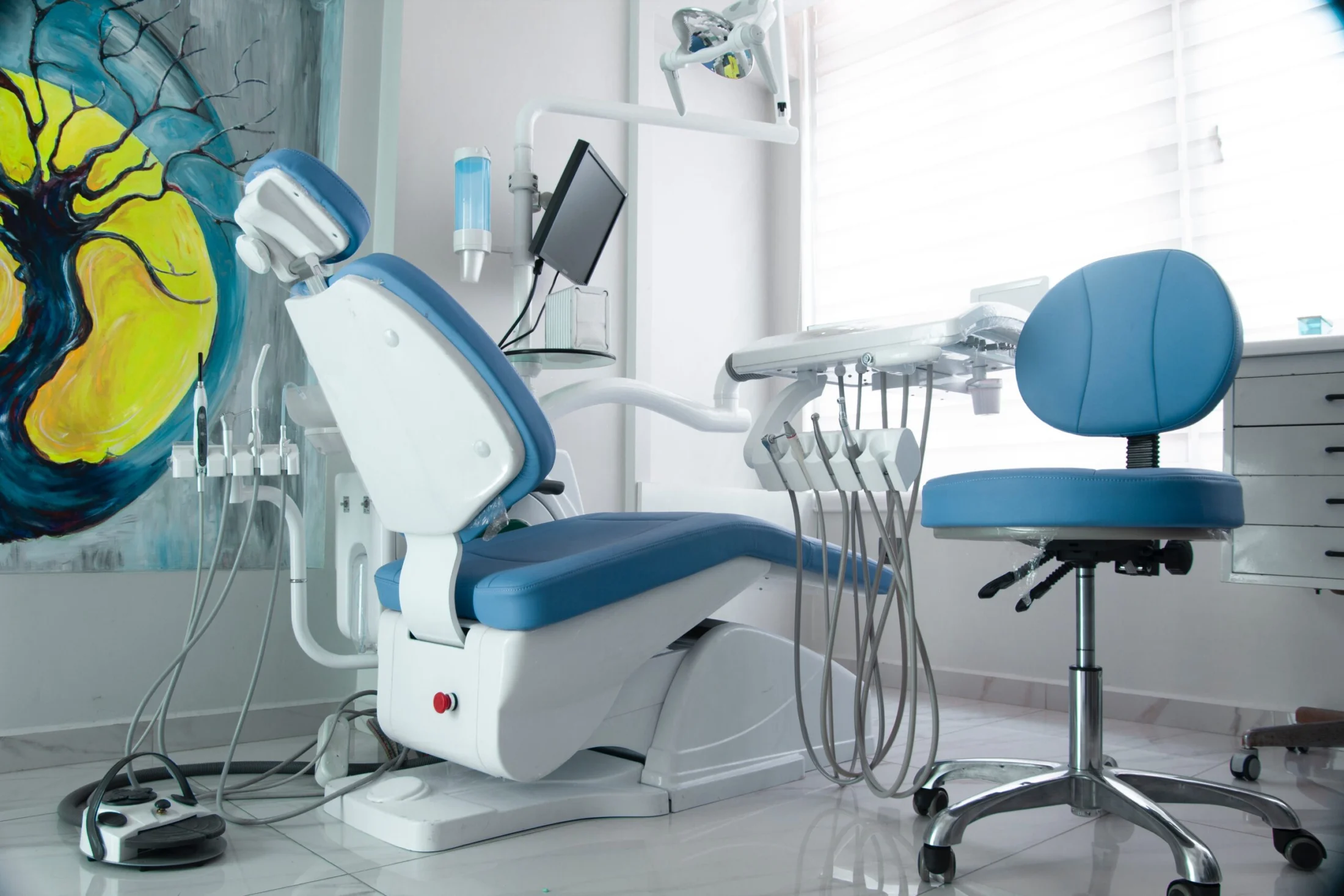
Call and describe the problem before traveling.
Bakersfield Smile Design’s historical office at 1919 G Street is under reconstruction. Ask the practice to confirm its current temporary location and whether your symptoms can be evaluated there. The website does not guarantee same-day appointments, walk-ins, specific emergency treatments or 24-hour care.
Questions the office may ask
Explain when symptoms began, where pain or swelling is located, whether there was trauma, whether you have a fever, and whether the tooth or restoration is loose or broken. Tell the team about any difficulty swallowing or breathing immediately.
When medical emergency services may be needed
Trouble breathing or swallowing, rapidly spreading facial or neck swelling, severe uncontrolled bleeding, or major facial injury can be medical emergencies. Do not rely on a website form for these symptoms.
While contacting the practice
Avoid placing aspirin or other medication directly against the gum or tooth. For a knocked-out permanent tooth, handle it by the crown rather than the root; urgent professional guidance is important. Do not force a displaced tooth back into position.
Bring a concise symptom history
Medication names, allergies and relevant medical conditions can affect the dentist’s evaluation. Ask staff what information to have ready when you call.
Different problems call for different evaluations.
Severe tooth pain or suspected infection
Pain can result from decay, cracks, pulpal inflammation, periodontal problems or other causes. A dentist must examine the tooth before deciding whether a restoration, root canal treatment, extraction or referral is appropriate. A painful tooth should not be self-diagnosed from its symptoms alone.
Chipped, cracked or broken teeth
The urgency depends on pain, exposed structure, the depth of fracture and whether there is trauma or damage to surrounding tissue. Options may involve protecting, repairing or removing a tooth after clinical evaluation.
Lost filling, crown or restoration
Save any dislodged restoration if possible and contact the office. Avoid chewing on the affected area until you receive guidance, especially if the tooth is painful or sharp.
Questions about urgent dental care
Call (661) 323-8585 to ask about current appointment availability and whether the practice can evaluate your situation. Same-day care is not guaranteed.
Call before traveling. The 1919 G Street office is being rebuilt, and the team must provide current temporary-location directions.
A dentist commonly evaluates tooth pain, but severe or spreading swelling, trouble breathing or swallowing, significant trauma or uncontrolled bleeding may require emergency medical care.
Contact a dental professional urgently. Handle the tooth by the crown, avoid scrubbing the root and follow qualified urgent-care guidance. Time can affect treatment possibilities.
Antibiotics are not appropriate for every source of dental pain. A clinician determines whether they are indicated after assessing the symptoms and diagnosis.
The fee depends on the examination, diagnosis, imaging and treatment needed. Request an itemized estimate after evaluation.
Need to discuss dental symptoms?
Call for urgent questions. This non-emergency form can be used for general contact and appointment requests, but it is not monitored as an emergency response channel.