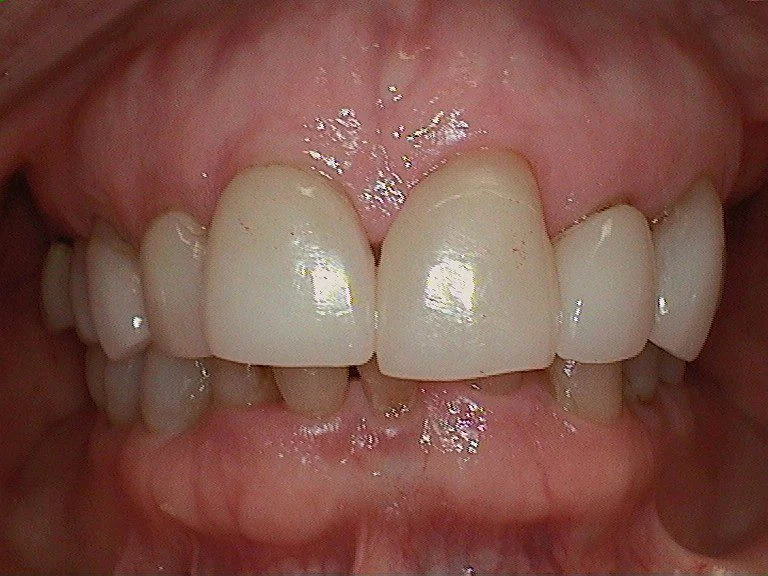
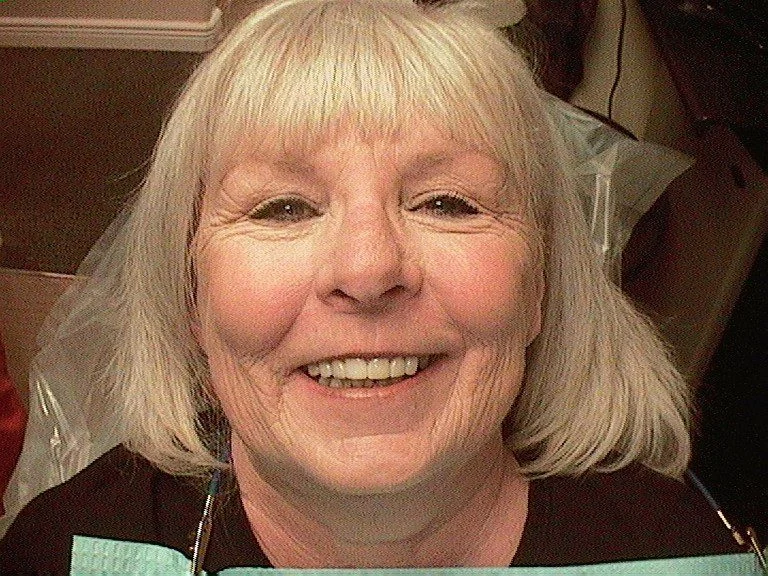
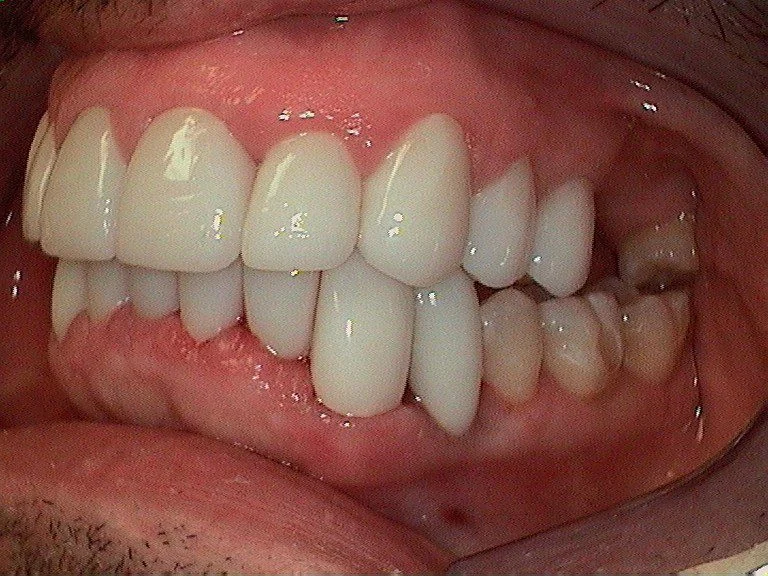
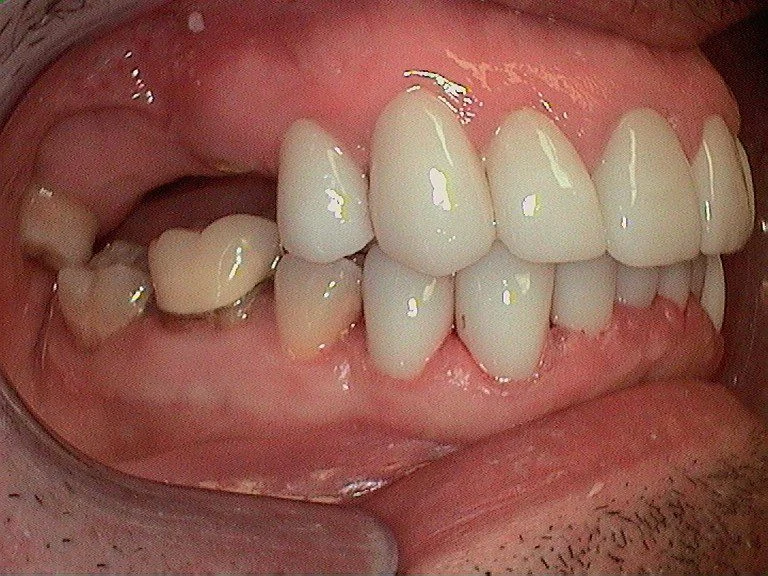
Explore photographs and stories already represented in the practice’s patient case library. Each person’s starting point and treatment path is different; images are for discussion, not guaranteed results.
Review different photographs from this existing case and consider the questions you would ask before choosing treatment. Your dentist must evaluate which options make sense for you.
Patient case records highlight individual circumstances. A clinical examination and patient goals guide treatment recommendations, stages and maintenance needs.
Different views tell different parts of the story.
Angle, light and stage of care affect how dental photography should be interpreted. Ask which specific treatments appear in a documented case before comparing photographs with your own smile.
Consider the patient’s initial concern, which alternatives were discussed, and what maintenance might be required. Individual photographs alone cannot answer these questions.
Pair patient case examples with the practice’s educational articles. Treatment results vary and visible testimonials should never substitute for a tailored examination.
Dental patient case studies document the circumstances and care experiences of individual people. Photographs may illustrate appearance at different stages, but they cannot establish treatment suitability, functional improvement or expected results for someone else. Use case examples to prepare informed questions about the options, risks and maintenance relevant to your own examination.
EXISTING PATIENT STORIES
Explore three distinct patient records.
These links connect to the practice’s existing patient-story information. Individual outcomes, treatment sequences and experiences differ.
SARA SHEPARD
Sara's Patient Case
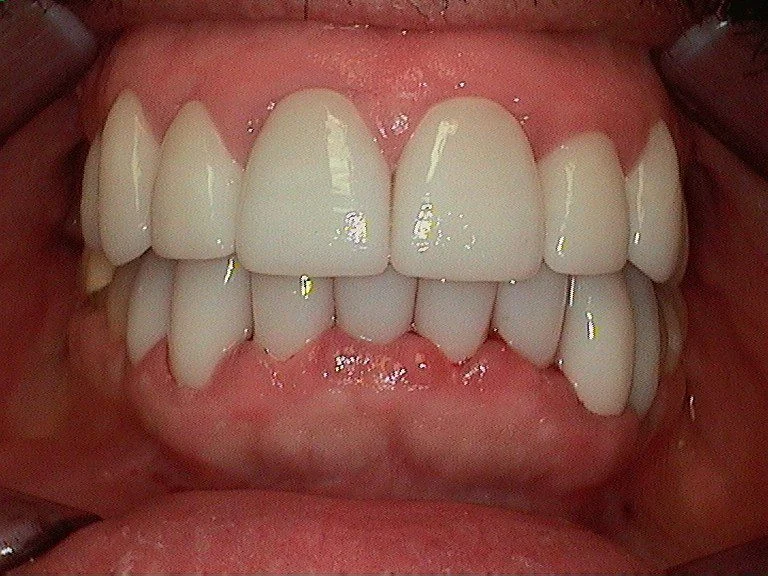
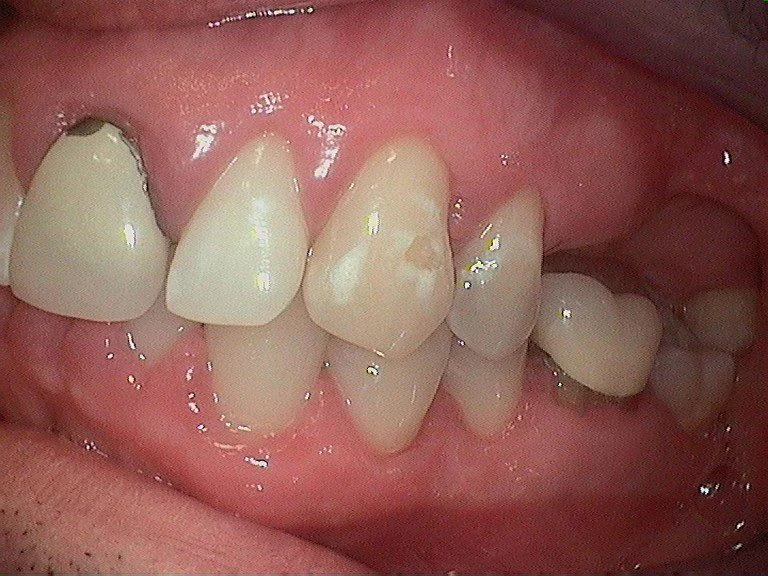
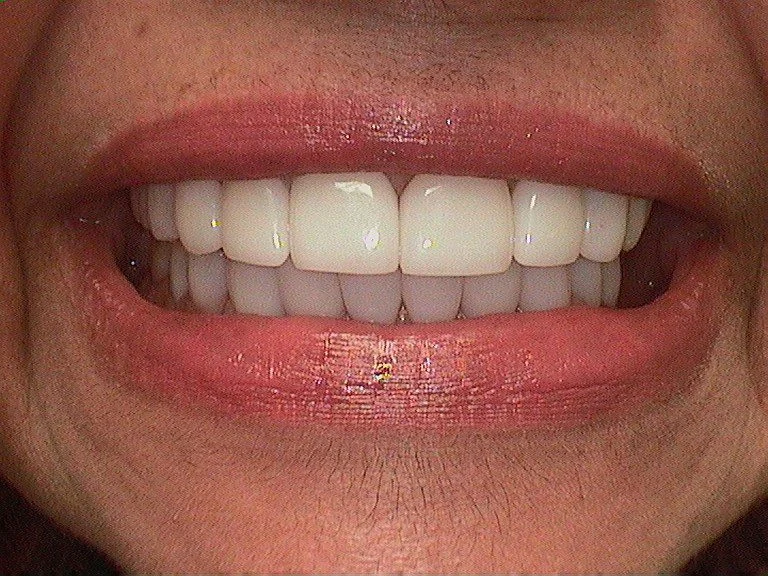
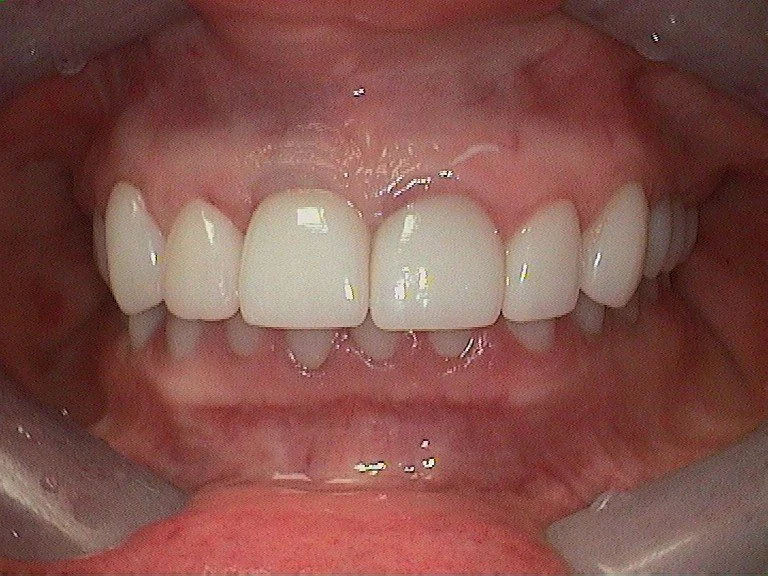
A collection of practice images associated with Sara’s documented patient story.
Photography should be accompanied by a clear explanation of the individual treatment and what the patient consented to share. Cases are not interchangeable and should not be used to promise specific outcomes.
Know which procedure the case represents
Ask whether the patient had veneers, implant restorations, whitening, crowns, orthodontics or a combination. Similar-looking photographs may reflect very different medical needs and treatment steps.
Understand the photographic context
A responsible comparison considers lighting, angles, timing and whether images depict the same stage of treatment. Do not assume a visible difference proves a functional or long-term result.
Discuss how suitability differs from person to person
The condition of the teeth and gums, bone support, bite, medical considerations and treatment preferences can change the options a dentist recommends.
Ask about maintenance and follow-up
Case images usually cannot show how restorations are maintained or whether they later require adjustment, repair or replacement. Those questions belong in a consultation.