
Professional Teeth Whitening in Bakersfield, CA
A brighter smile starts with the right evaluation.
Compare professional whitening with at-home products.
Stains and restorations respond differently.
Understand sensitivity before beginning whitening.
Choose the option that fits the reason your smile looks different.
Make an informed plan with your dentist.
What does professional tooth whitening do?
Professional tooth whitening uses whitening agents to help lighten certain discoloration in natural teeth. It is not a treatment for cavities, damaged restorations or underlying dental disease. The right choice depends on a dental examination, the cause of staining, the desired shade and your sensitivity history.
Whitening choices depend on your teeth and goals.
Professional in-office whitening
Dentist-supervised in-office systems can be planned for patients seeking treatment in a dental setting. The office should confirm which products and procedures are currently available, along with expected steps and sensitivity considerations.
Dentist-supervised take-home options
A dental team may recommend a take-home method for some patients. Product choice, trays, instructions, duration and follow-up depend on examination and the system used. Overusing whitening products can cause unwanted effects.
Explore professional whitening and related cosmetic choices.
These images come from Bakersfield Smile Design’s existing practice media. They illustrate treatment categories, not guaranteed before-and-after results for whitening.
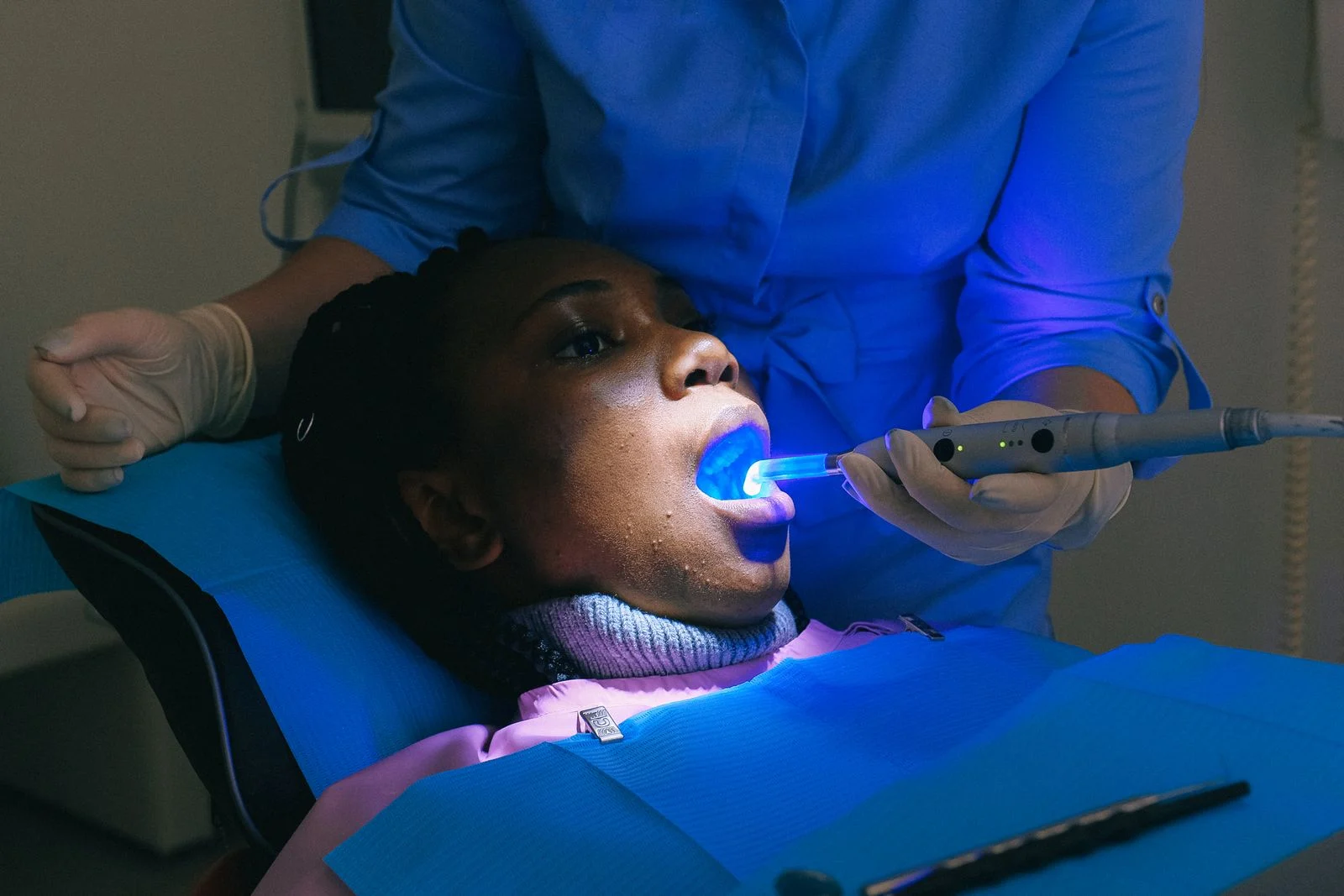
In-Office Whitening
Review the procedure, time requirements and sensitivity considerations with a dentist.
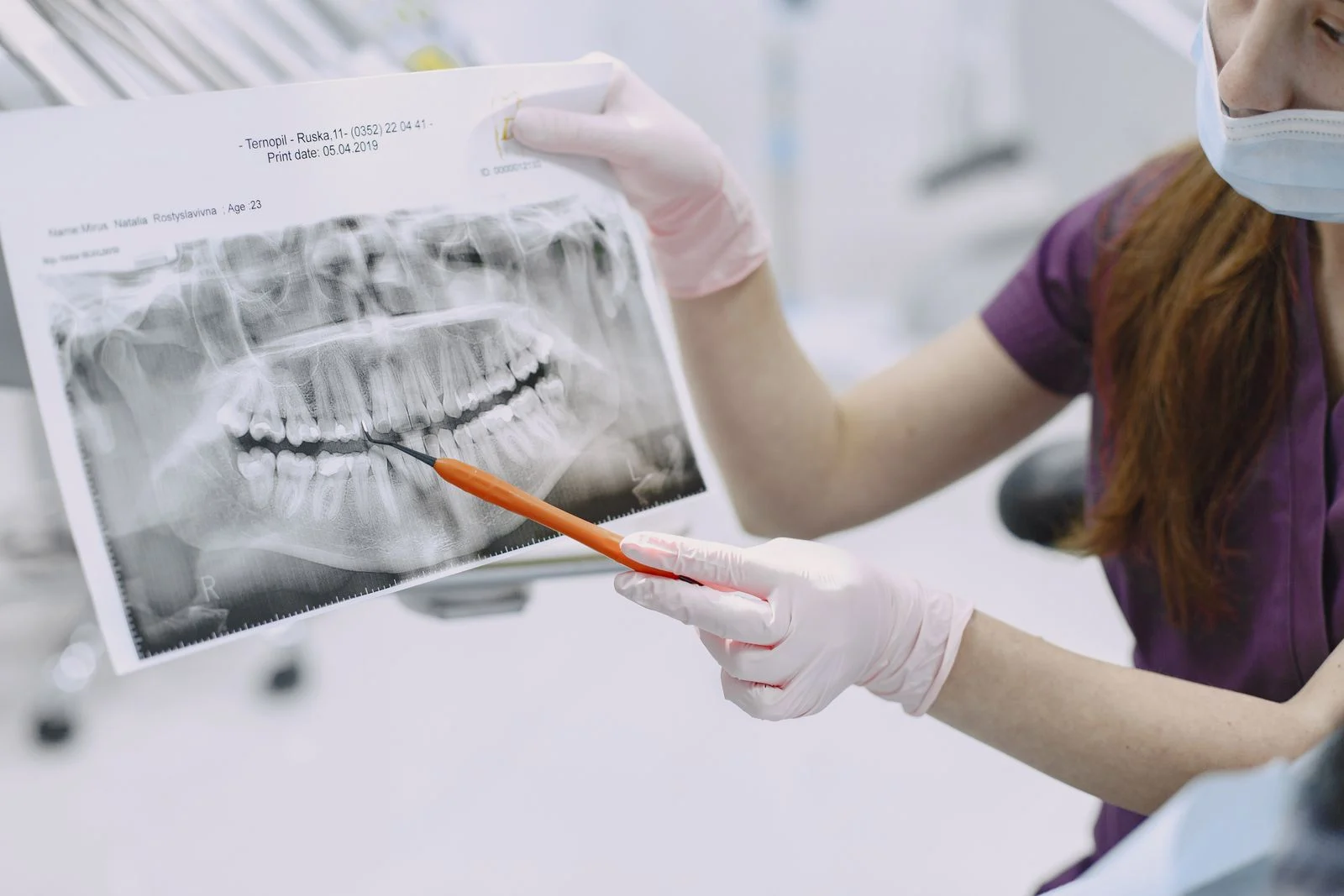
A Plan for Your Teeth
Discuss stain type, existing dental work and whether treatment should wait for oral-health concerns.
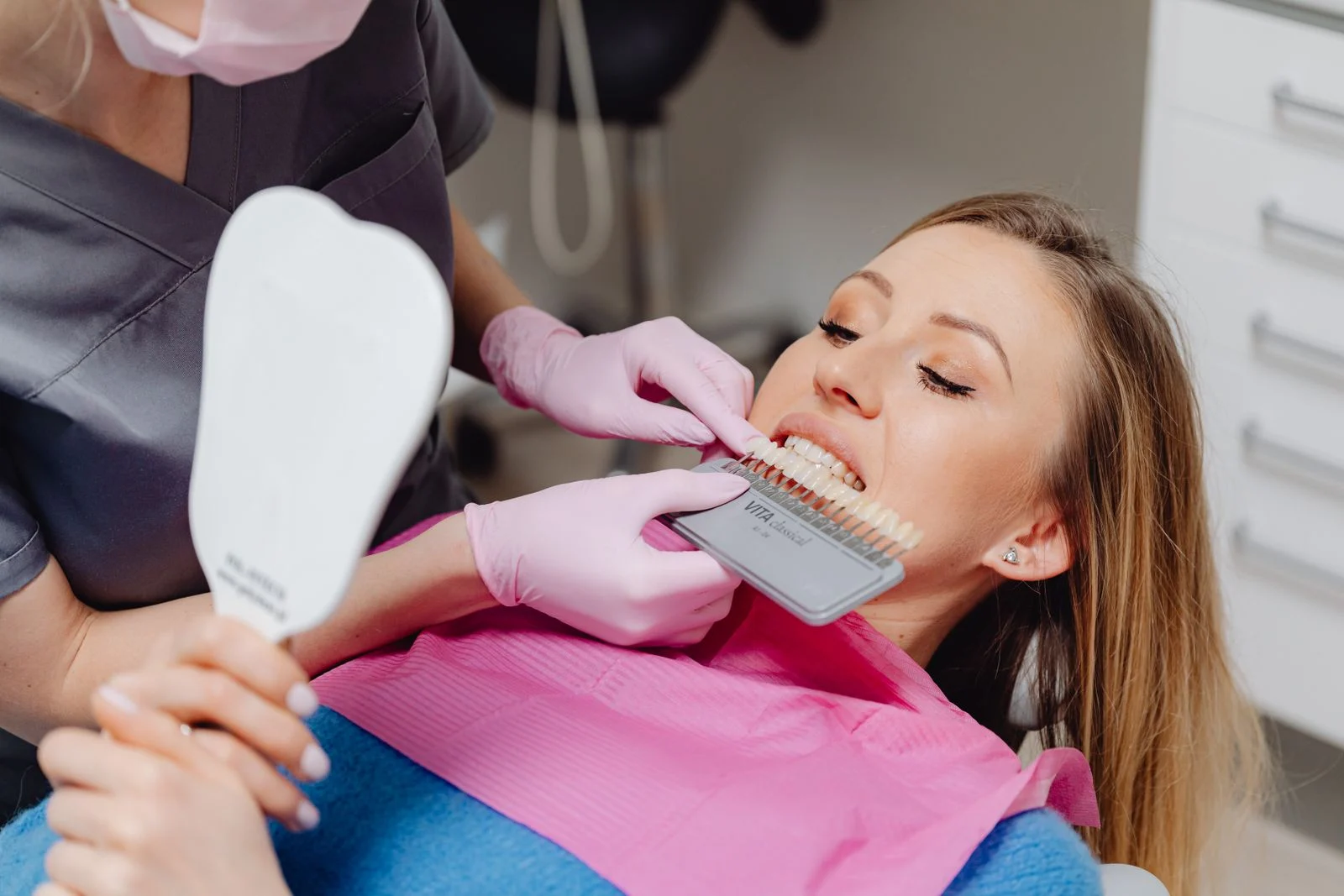
Whitening vs. Veneers
Compare approaches for color, shape and restorations before making a cosmetic dentistry decision.
What to discuss before whitening.
1. Evaluate the cause of discoloration
A dentist can assess the source of discoloration and check your teeth, gums and restorations. Changes in tooth color may have multiple causes, so not every concern is best addressed with bleaching.
2. Review risks, alternatives and realistic expectations
Discuss temporary sensitivity or irritation, existing crown or veneer shades, stain recurrence and whether another treatment may better address your goals.
3. Receive personalized product instructions
If whitening is appropriate, the dental team can explain the current system, application method, duration and post-treatment care. Follow professional guidance rather than increasing whitening frequency on your own.
4. Plan for maintenance
Good routine dental care and your individual stain habits matter. Some patients may later need a dentist-approved touch-up plan.
5. Know when to contact the office
Contact your dentist if sensitivity, discomfort or gum symptoms are significant or do not settle as expected.
Whitening is not the same as restoring a tooth.
Whitening can be appropriate for some concerns about tooth color. If a tooth has significant decay, fracture, a large existing restoration, or shape concerns, treatment may require a different discussion. Veneers and crowns change tooth structure differently and should not be treated as interchangeable cosmetic shortcuts.
Teeth whitening questions answered.
Whitening may improve selected extrinsic and intrinsic discoloration in natural teeth. Results depend on what caused the discoloration and the tooth condition. A dental evaluation helps determine likely benefit.
Whitening systems generally do not change the shade of porcelain restorations or fillings the way they affect natural teeth. Discuss color matching and any existing restorations before treatment.
Sensitivity and gum irritation can occur. Tell the dental team about existing sensitivity, dental work, cavities or gum concerns so they can assess suitability and discuss precautions.
Color changes vary with diet, oral hygiene, tobacco exposure, stain history and individual factors. Ask the practice about reasonable maintenance options rather than assuming results are permanent.
Not necessarily. Age, restorations, oral-health findings, medical and dental history, and sensitivity are relevant. The practice should confirm which whitening systems it currently offers.
Whitening is often considered cosmetic and may not be covered. Check the terms of your insurance plan and ask the practice about current payment arrangements.
Ask about professional teeth whitening in Bakersfield.
Request a conversation about discoloration, whitening products and your options. Sending a form does not confirm an appointment. Please call the practice for the current temporary-office address before visiting.