

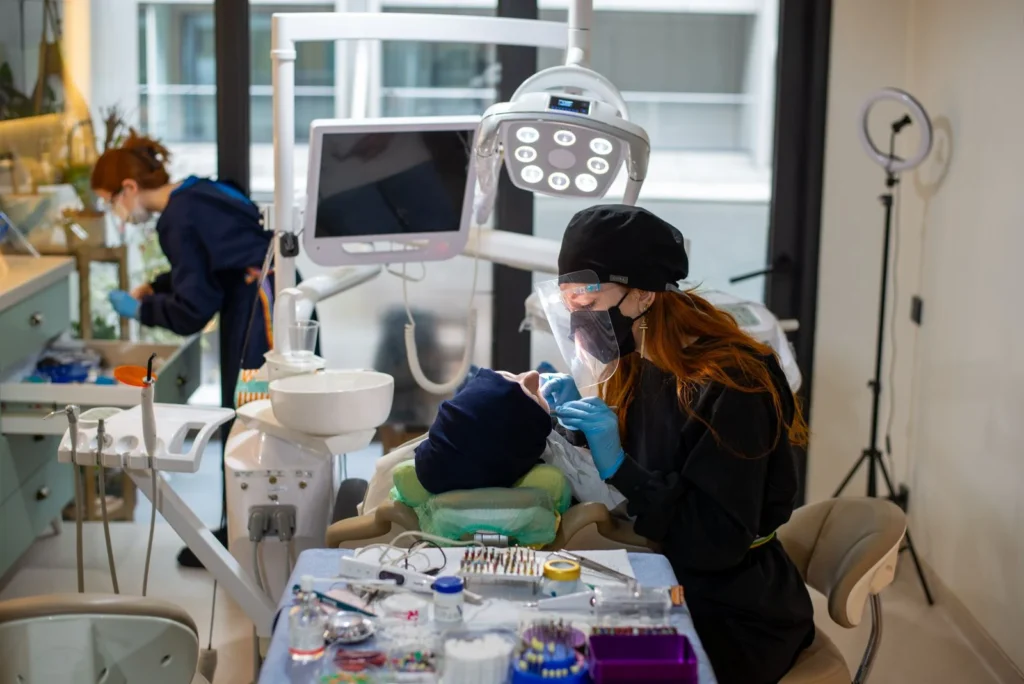
REPLACING MISSING TEETH

Dental Implants in Bakersfield, CA

Dental implants are artificial roots designed to support a crown, bridge or denture. The implant, abutment and restoration serve different functions. A healthy foundation, treatment goals and maintenance requirements matter as much as the visible result. This guide separates single-tooth, multi-tooth and full-arch options so patients can compare them without treating every configuration as interchangeable.

Illustrative dentist presenting dental treatment model

DIRECT ANSWER

What are dental implants and how are they planned?

A dental implant is a device placed in the jawbone to support a dental restoration. The process usually requires an examination, assessment of the gums and bone, restorative planning and healing. An implant may support a crown, bridge or denture. Individual medical history, oral health and treatment complexity determine which approach may be appropriate.

Discuss treatment choices

Explore related dental treatment information

Select a topic for details on suitability, planning, care and alternatives. Educational topics do not establish that every procedure is offered; confirm services during your consultation.

Illustrative dentists examining a patient using modern dental equipment

IMPLANT HUB

Dental Implants

Understand replacement options for one tooth or many.

Understand replacement options for one tooth or many.

Explore Dental Implants
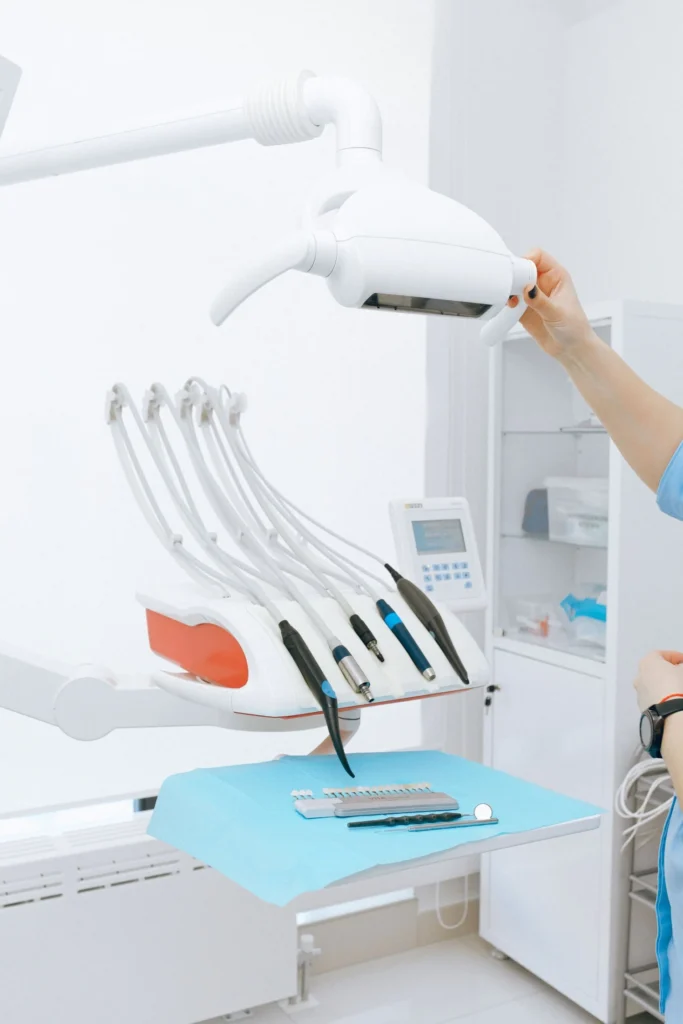
Illustrative dental treatment equipment in a bright clinic

ONE MISSING TOOTH

Single-Tooth Dental Implant

Restore one missing tooth without automatically crowning neighbors.

Restore one missing tooth without automatically crowning neighbors.

Explore Single-Tooth Dental Implant
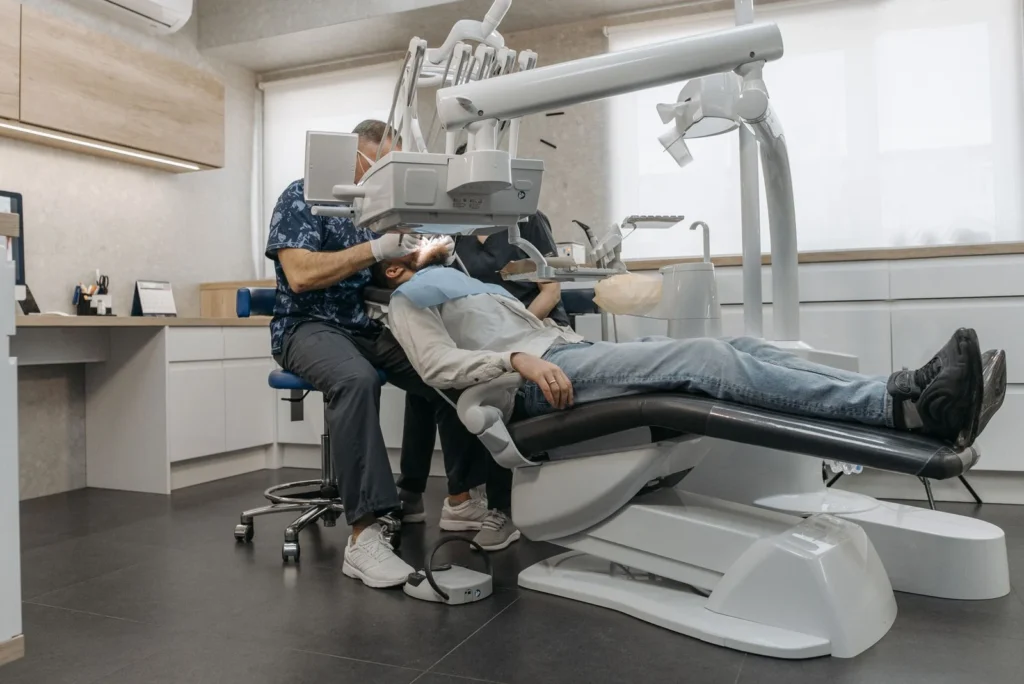
Illustrative patient dental consultation and treatment planning

SEVERAL MISSING TEETH

Multiple-Tooth Implants

Select support for adjacent or non-adjacent gaps.

Select support for adjacent or non-adjacent gaps.

Explore Multiple-Tooth Implants
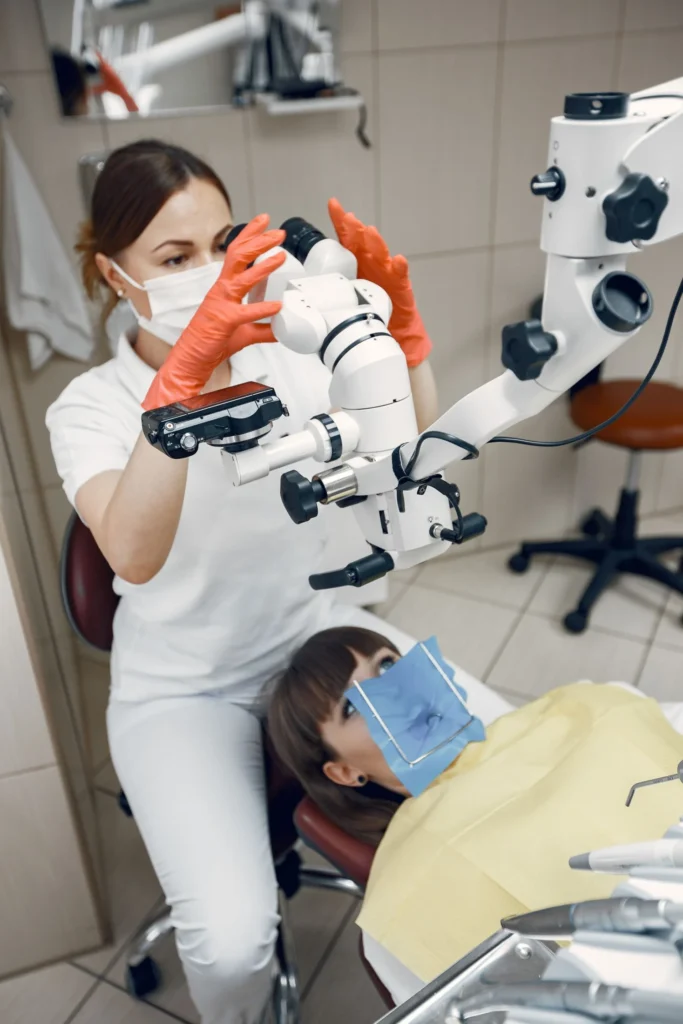
Illustrative patient receiving dental treatment

ONE FULL ARCH

Full-Arch Dental Implants

Differentiate an upper or lower full-arch restoration.

Differentiate an upper or lower full-arch restoration.

Explore Full-Arch Dental Implants
Illustrative dentist working during a dental procedure

PREPARING THE FOUNDATION

Bone Grafting

When bone augmentation may be considered.

When bone augmentation may be considered.

Explore Bone Grafting

Illustrative dentist and patient discussing treatment options

AM I A CANDIDATE?

Dental Implant Candidacy

Patient-specific factors before implant treatment.

Patient-specific factors before implant treatment.

Explore Dental Implant Candidacy
Single-tooth, multiple-tooth and full-arch replacement

A single implant crown may replace one missing tooth without preparing adjacent teeth for a traditional bridge. Multiple missing teeth can sometimes be restored with implant-supported bridges, removable dentures or fixed full-arch options. All-on-4, All-on-6 and All-on-X describe different support configurations and should not be presented as guarantees of strength, suitability or practice availability.

Bone support, healing and implant risks

Implant planning considers infection, gum health, bone volume, anatomical structures, medication history, medical conditions and hygiene. Grafting may be discussed when support is insufficient. Potential complications include infection, failure of integration, damage to nearby structures, prosthetic wear and the need for maintenance. Restorative designs and healing time vary.

Questions about implant costs and alternatives

Ask what is included for imaging, surgery, temporary teeth, final restoration, grafting, repairs and follow-up. Discuss bridges, removable dentures, no treatment and other medically appropriate choices. Specific implant systems and procedures must be verified with the practice.